

Practical support for families navigating school, behavior, and next steps Read Eric’s articles →

FAMILY-CENTERED EDUCATIONAL SUPPORT

Helping families find a steadier way forward.

When your child needs support, you deserve more than jargon and a long list of things to do. Frichette Special Needs Support helps families prepare, ask useful questions, and build a clearer path with their child’s school team.

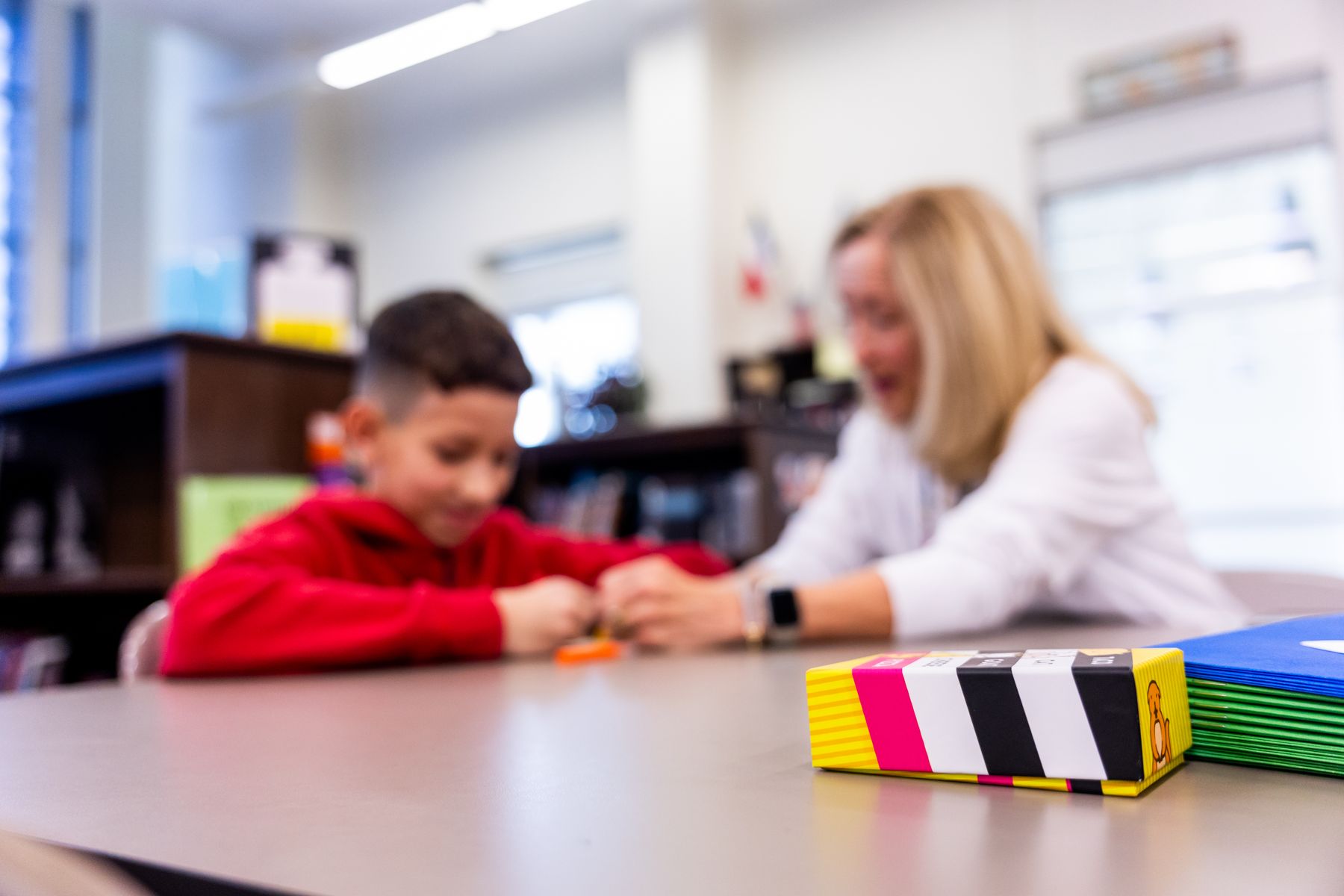
Eric Frichette supporting children in a classroom
Every child deserves to be understood.
33+ yearsof special education experience
Family firstYour perspective belongs in every conversation.
Plain languagePractical guidance without pressure or jargon.

A PLACE TO BEGIN

Bring the question that is taking up the most space.

Maybe a school meeting is coming. Maybe home and school are seeing different things. Maybe you are tired of trying to explain what your child needs.

Eric listens for the details that matter, helps you organize your observations, and supports you in choosing a useful next step.

A child learning alongside an educator
Support begins with curiosity, not assumptions.
A parent and child sharing a calm, supportive learning moment

Practical guidance, not judgment.

Families do not need to be told to “do more” or “try harder.” They need a place to sort through what is happening, ask useful questions, and identify what might make the day more manageable.

Good support starts by recognizing what a family is already carrying.

A child receiving calm, supportive attention

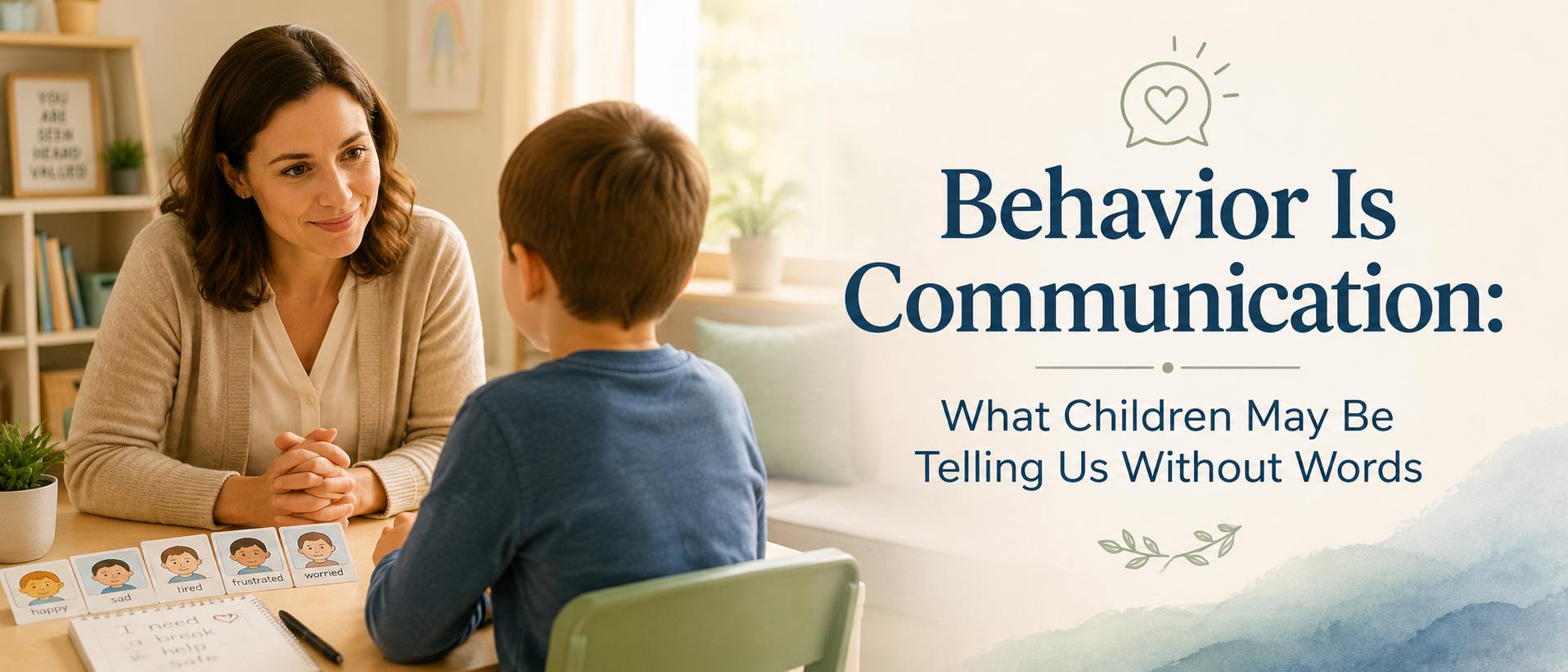
Behavior is a signal.

A difficult moment is rarely the whole story. It can help to wonder what happened before, what the child may have needed, and what support could make the next moment feel more possible.

That shift—from reacting quickly to getting curious—can change the conversation.

Adults and child using a shared support plan

Small shared plans can make a difference.

Choose one concern, agree on one or two simple supports, and use the same language whenever possible. When adults check in and share what worked, small changes become more powerful.

Consistency does not have to mean perfection. It means staying connected around what helps.

You have already been paying attention.

The details you notice at home can help a school team understand more of your child’s day.

Share the moment, not just the label.

Instead of “it was a hard afternoon,” describe what happened before, during, and after. Specific details make patterns easier to see.

Ask what the team is seeing.

What is going well? When does the concern show up? What helps? Both home and school hold an important piece of the picture.

Choose one next step.

A shared plan does not have to be complicated. One concern, one or two supports, and a time to check in can be enough to start.

Support that meets you where you are.

You do not need every answer before you reach out. Start with the concern that feels most urgent.

01

Prepare for a school meeting

Turn your concerns into a short, clear set of priorities and questions.

02

Understand behavior in context

Look beyond the moment to notice patterns, demands, and possible supports.

03

Connect home and school

Bring observations together without blame and create a shared starting point.

04

Build a next-step plan

Choose small, realistic supports that families and school teams can use consistently.

Explore how we help

START WITH A CONVERSATION

You do not have to carry every question by yourself.

Book a conversation